When do you need to add more sub-calendars to your Teamup master calendar?
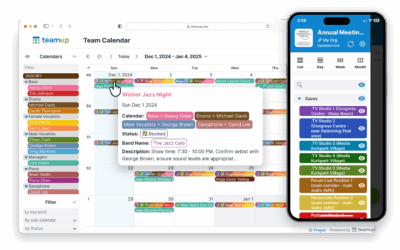
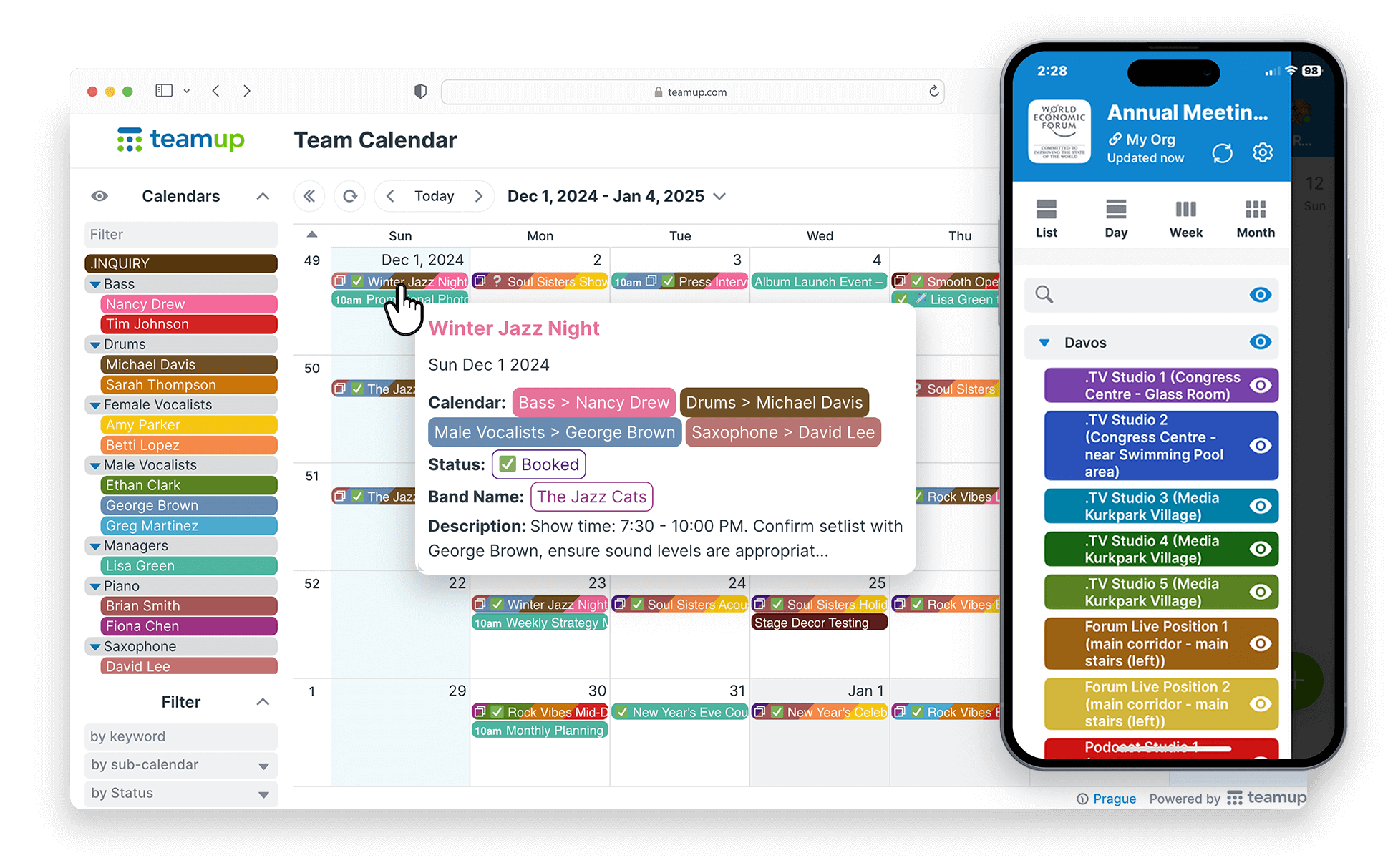
Sub-calendars are the individual calendars inside a Teamup master calendar. Sub-calendars can be added, organized, and adjusted as a team or organization grows. They provide a flexible structure that makes it easy to expand and scale as needed.
How to add sub-calendars
A sub-calendar is not a user. A master calendar can have multiple sub-calendars, which can be assigned to different users or resources. You may set up a calendar that has one sub-calendar for each user. But you can add or remove users without changing the sub-calendars. And, you can add or remove sub-calendars even if you’re not adding or removing users.
Summary: Sub-calendars and calendar users are two separate things.
- As a calendar admin, you can create a sub-calendar for an employee. The sub-calendar holds the jobs and events for that individual.
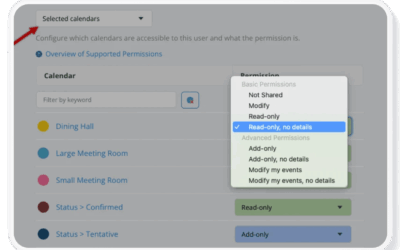
- You also need to add that individual as a calendar user and grant that person customized access to their sub-calendar and any other sub-calendars they need to do their jobs.
Learn more: Remove Calendar Users Without Losing Their Data
When to add sub-calendars
To open and manage a new project
- You can create a folder to hold all sub-calendars related to the project.
- Assign project goals and tasks to team members.
- Keep an eye on project milestones and zoom in on daily details.
To manage a new resource or tool
- Add a new sub-calendar for any new resource, tool, or equipment.
- Easily schedule the use of the resource with add-only booking.
- Prevent double-booking with sub-calendar settings.
To limit scheduled use of a shared space
- Add one sub-calendar for each “open slot” (allowed person per time period).
- Helpful when working with limited occupancy or other restrictions on a space.
- Block out unavailable time for maintenance or cleaning.
To coordinate with and manage team schedules
- Add one sub-calendar for each team member for easier delegation.
- Let each team member add their own days off, available times, meetings, etc.
- Use comments on events for notes visible to the whole team.