
Featured, Product Tips, Schedule Work
Employee hour tracking is a common need in many industries, especially those in field services. For many small businesses, the requirements for tracking employee hours are simple: They don’t require a dedicated app or software solution that larger organizations...
Product Tips, Working with Events
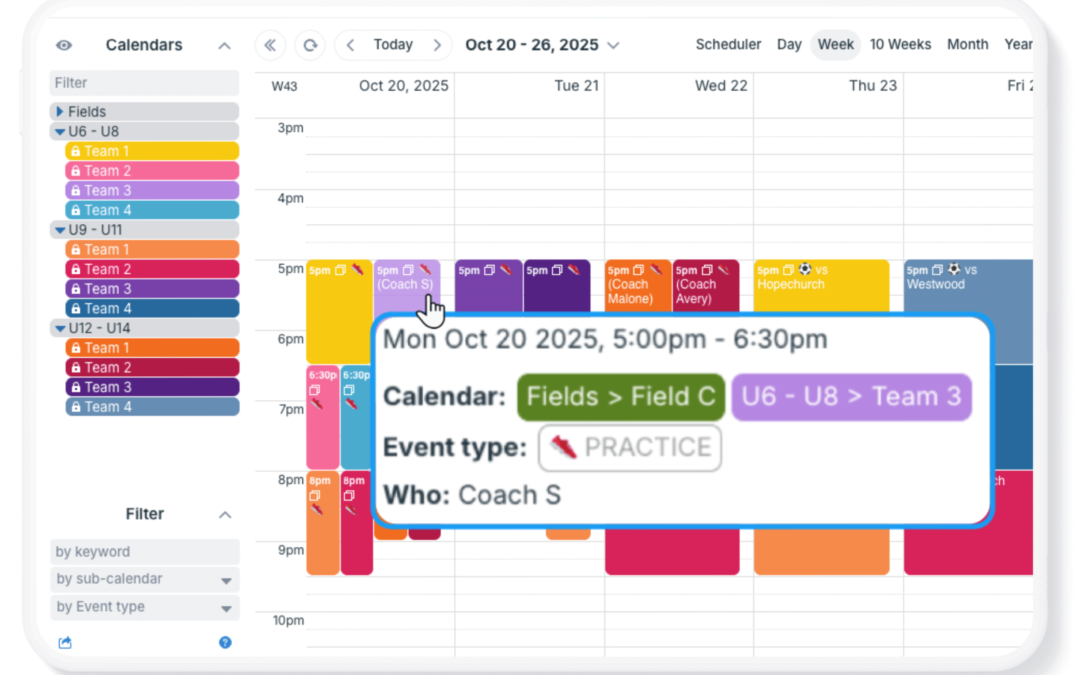
On a shared calendar, one of the first questions that comes up in day-to-day work is simple: Who is involved with this event? The question might be slightly different depending on the context: Who am I working with on this assignment? Who is the project leader for...
Featured, Organize Teams, Schedule Work
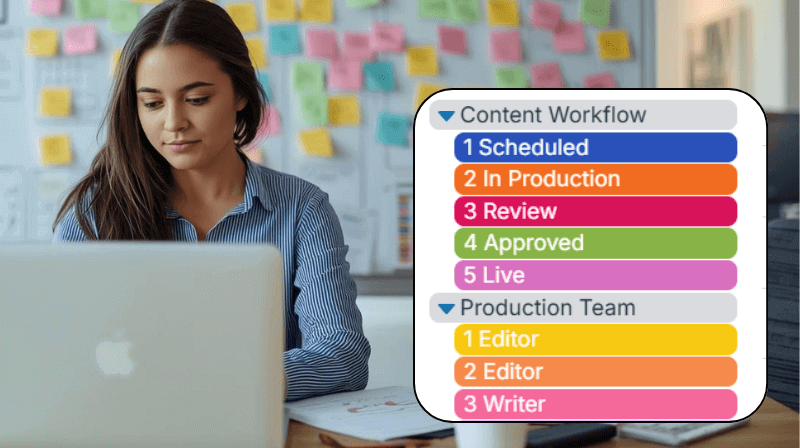
Managing content across multiple channels isn’t just about publishing, it’s about developing content, planning timelines, and coordinating work across a team. The need: When you manage content ideas, drafts, deadlines, and multiple publishing channels you need a...

Education, Featured, Manage Availability
In shared labs, equipment is used by many groups. Knowing who used what and for how long helps share costs fairly. A shared calendar with structured data makes it easier to track usage. The need: Enable self-booking of equipment while also tracking group usage of...
Calendar Visualization, Featured, Product Tips
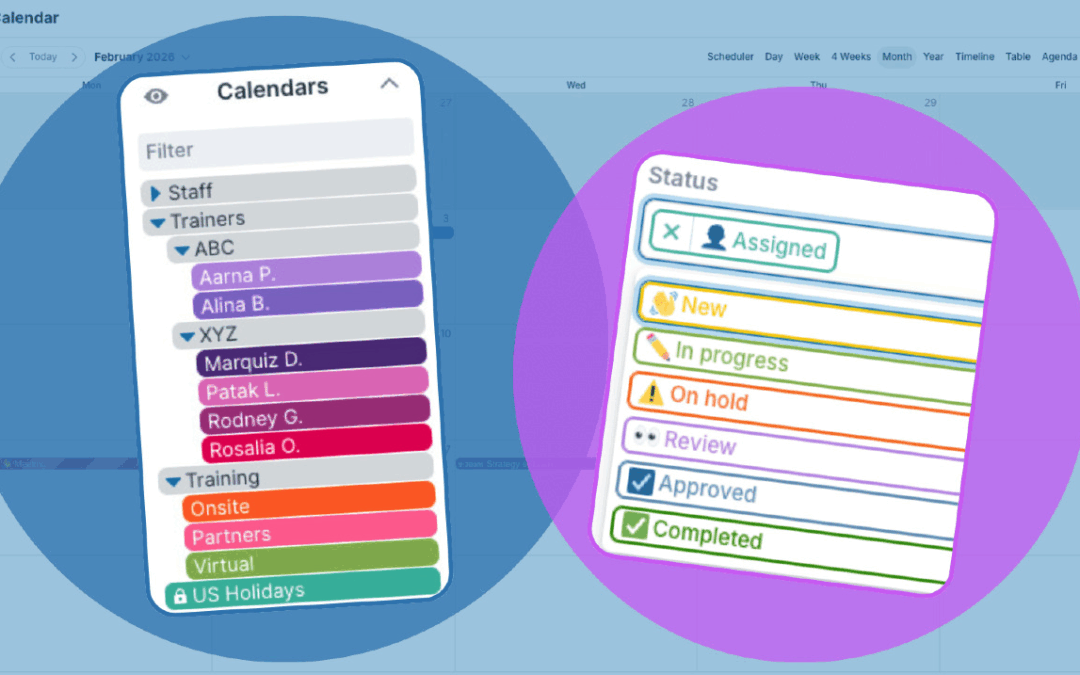
One of the first steps in setting up a calendar is to define its structure. Thoughtful structure, with clear organization and visual cues, makes the calendar easier to use so teams work more efficiently from the start. Calendar structure is the underlying framework...